Developed for infection control officers and head nurses, CliniWater’s Infection Control & Biofilm Proactive Management Solution targets the highest-risk waterborne pathogen reservoirs: endoscope reprocessing areas, dental unit waterlines, and hydrotherapy circuits. The solution combines water purification, active disinfection, and environmental surveillance to shift the paradigm from retrospective outbreak investigation to prospective biofilm prevention.
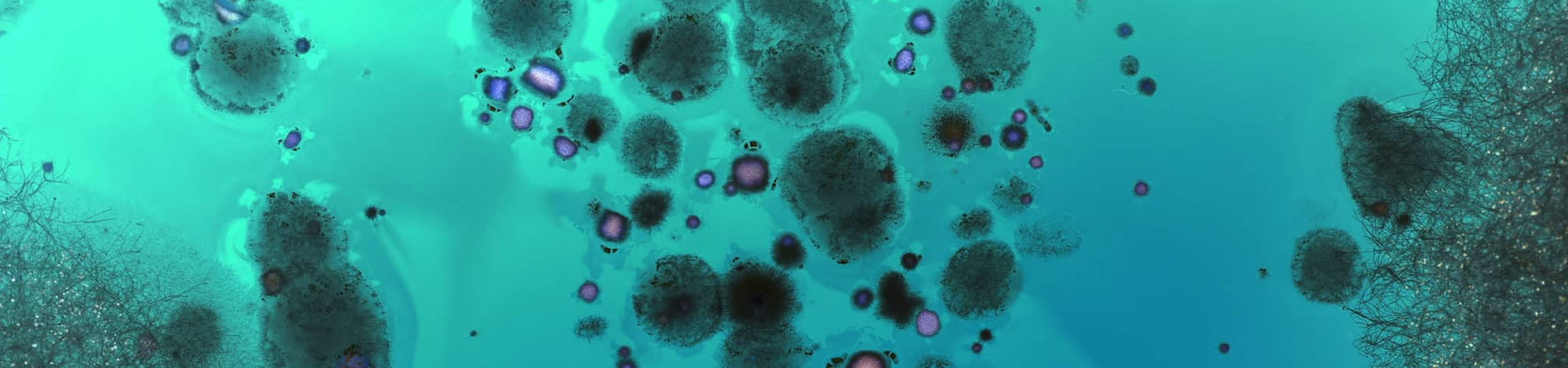
CliniWater installs the Sterile Rinse Water System at the endoscope reprocessing room, augmented with thermal and chemical disinfection capabilities. The system’s Heat Disinfection Unit cycles the entire internal circuit to 90 °C daily, a temperature lethal to planktonic bacteria and amoebae. In parallel, an AEOw Generator supplies acidic oxidation potential water containing 40–60 mg/L hypochlorous acid for surface and sink decontamination. A dedicated supply hose allows the AEOw to be flushed through endoscope channels after reprocessing, reducing the bioburden introduced during storage.
Technical Note: The AEOw must be used within 30 minutes of generation due to chlorine decay. Discard any solution with an ORP below 950 mV, verified by the Total Chlorine/pH Test Kit. Never mix AEOw with alkaline detergents; the neutralization reaction releases irritant chlorine gas.
In the dental clinic, CliniWater deploys the SAEW Generator to produce slightly acidic electrolyzed water that serves as both daily irrigant and night-time waterline treatment. During clinic hours, the SAEW is used as the sole water source for handpieces and air–water syringes, maintaining a continuous bactericidal residual of 10–15 mg/L available chlorine. The Dental Pure Water System is bypassed for this application, reserving it for non-instrument uses (patient rinsing, autoclave feed). At the end of each day, a Waterline Shock Treatment Kit containing a 3% hydrogen peroxide–based solution is introduced into the lines and left static for 12 hours to disrupt nascent biofilm.
Technical Note: Shock treatment frequency should increase to twice weekly if DUWL Test Strips indicate > 100 CFU/mL or if the dental unit has not been used for more than 72 hours. Document all treatment dates in the practice log.
CliniWater establishes a risk-based water sampling plan, mapped to the hospital’s water schematic. High-risk outlets (endoscope final rinse taps, dental handpiece connectors, ice machines) are sampled monthly; moderate-risk points quarterly. The Biofilm Detection Swab allows rapid on-site screening: an ATP bioluminescence assay returns a semi-quantitative result (RLU) within 30 seconds, indicating organic fouling. Any site exceeding the baseline by 50% triggers immediate culture sampling using the Membrane Filtration Kit. For dialysate and final rinse water, Endotoxin Detection Kits using the gel-clot method provide a pass/fail screen at 0.25 EU/mL, with kinetic LAL analysis reserved for borderline results.
Technical Note: Biofilm swabs must be taken from the inner lumen surface, not the water stream. Rotate the swab 360° while withdrawing; a single-pass linear swab underpredicts biofilm mass by up to 60%.
The Filter Integrity Tester is incorporated into the daily startup routine for all Sterile Rinse Water Systems. The water-intrusion test is performed on the system’s final 0.1 µm filter cartridge; a pressure drop exceeding 5 mbar/minute indicates a breach or incomplete wetting and triggers automatic lockout of the rinse water supply until the filter is replaced. An Endotoxin Analyzer using the kinetic turbidimetric LAL method is co-located with the dialysis water loop; results are reported in EU/mL with an assay range of 0.005 to 50 EU/mL. The Microbiology Test Kit is used weekly to culture 100 mL water samples, with colony counting performed on R2A agar after 7-day cold incubation.
Technical Note: The Filter Integrity Tester’s water-intrusion test requires ultrapure water at 25 ± 2 °C; a temperature deviation of 3 °C changes solubility and can generate a false-negative pass. Pre-equilibrate test water overnight in the laboratory.
CliniWater aggregates all microbial, endotoxin, chlorine, and filter integrity data into a web-based dashboard. The dashboard uses geospatial mapping of the hospital floor plan, color-coding each water outlet by risk status. A rules engine generates automatic alerts: an endotoxin value > 0.125 EU/mL prompts an email to the infection control officer and the clinical engineering lead. Trend analysis identifies gradual biofilm accumulation (three increasing ATP swab values) before clinical consequence. The dashboard generates a monthly “Water Hygiene Index” for presentation at the infection control committee, summarizing percentage of compliant outlets, corrective actions completed, and shock treatment events.
Technical Note: The dashboard’s database must reside on a server within the hospital firewall due to patient-identifiable location data. A weekly automated backup to an encrypted off-site repository is mandatory, with a 5-year retention period for medico-legal traceability.
Subscribe to CliniWater to unlock integrated water treatment solutions across dialysis, laboratory, CSSD, endoscopy, and dental care—elevating water purity, infection control, and clinical compliance through a unified ecosystem of treatment, monitoring, and disinfection platforms.
© Nortek HealthCare Group Ltd., 2009-2026. All rights reserved.
This site operates under the laws of the People's Republic of China. Your access and use constitute acceptance of these Terms of Use and our Privacy Policy. All content is governed by our Privacy Notice. For details or inquiries, please Contact Us or use the site's search function.

